

The Science of Packing: How to Protect Your Belongings Like a Pro
Packing isn’t just an annoying step in the moving process. It’s applied physics. When you understand how weight distribution, impact absorption, friction, and center of gravity work, you can protect your belongings far more effectively—and avoid the most common moving disasters.
Whether you’re moving across town, cross-country, or using a Mobile Attic Portable Storage container for a flexible, at-your-pace move, knowing the science behind proper packing will save you time, money, and headaches.
Below is a full breakdown of how to pack like a professional using real physical principles, plus proven techniques backed by decades of moving experience.
1. Why Packing Is Really About Physics
Everything that happens in a moving truck or portable storage unit—every bump, turn, stop, vibration, and shock—follows predictable laws of physics.
Here’s what you’re really up against:
-
Momentum: When a truck stops suddenly, your boxes don’t want to.
-
Gravity: Poorly balanced boxes collapse on themselves.
-
Force + Impact: Even light objects can damage fragile items when they fall.
-
Vibration: Long-distance moves slowly loosen poorly packed items.
Understanding these forces helps you pack with intention instead of chance.
For a deeper dive into practical mechanics and home-related science, outlets like Popular Mechanics offer accessible explanations of weight, structure, and force:
https://www.popularmechanics.com/home/

2. Weight Distribution: The Most Important Rule Pros Follow
Professional movers obsess over one thing above all else: load order and weight distribution. If weight isn’t placed correctly, boxes crush, containers shift, and items break long before they reach their destination.
Heavy Items Go Low and Centered
This is core physics: lower center of gravity = higher stability.
-
Place heavy items (books, tools, cookware, small appliances) at the bottom of boxes and at the floor level of your storage container.
-
Keep heavy boxes centered, not pushed to one side.
A centered load stays balanced and resists tipping during motion.
Lighter Items Go High
Light objects placed low get crushed. Light items placed high cannot damage heavier items below them. Simple, predictable physics.
Balance Left-to-Right
In a portable storage container or truck:
-
Put heavy boxes on both sides, not all on the left or right.
-
Spread weight evenly so the load doesn’t tilt during movement.
This prevents shifting and reduces the chance of items falling inside the container.
3. The Science of Padding: How Cushioning Actually Works
Padding isn’t about thickness; it’s about impact absorption. Different materials slow down impact forces in different ways.
Bubble Wrap: Best for Fragile Items
Bubble wrap works because trapped air pockets absorb kinetic energy. When something hits or drops, the air compresses, reducing force transmitted to the object.
Use it for:
-
Glassware
-
Electronics
-
Ceramics
-
Mirrors
-
Picture frames
Wrap each item individually. One big bubble wrap bundle won’t protect items from hitting each other.
Packing Paper: Best for Preventing Micro-Friction
Glass-on-glass is the most common source of breakage—not impact. Packing paper:
-
Reduces friction
-
Fills small gaps
-
Prevents vibration damage
-
Creates structure in dishes and glasses
Crumple it, don’t fold. Crumpled paper absorbs shock more effectively.
Moving Blankets: Best for Large Objects
Moving blankets (or furniture pads):
-
Absorb vibration
-
Protect corners
-
Prevent dents and scratches
-
Reduce direct impact force
Use them on furniture, appliances, and large electronics (TVs, speaker towers, etc.).
Foam Sheets: Best for Surface Protection
Foam sheets protect against scratches and light compression. Use them between fragile items stacked together.
4. Box Science: Choosing and Filling Boxes the Right Way
The box you use matters just as much as how you fill it.
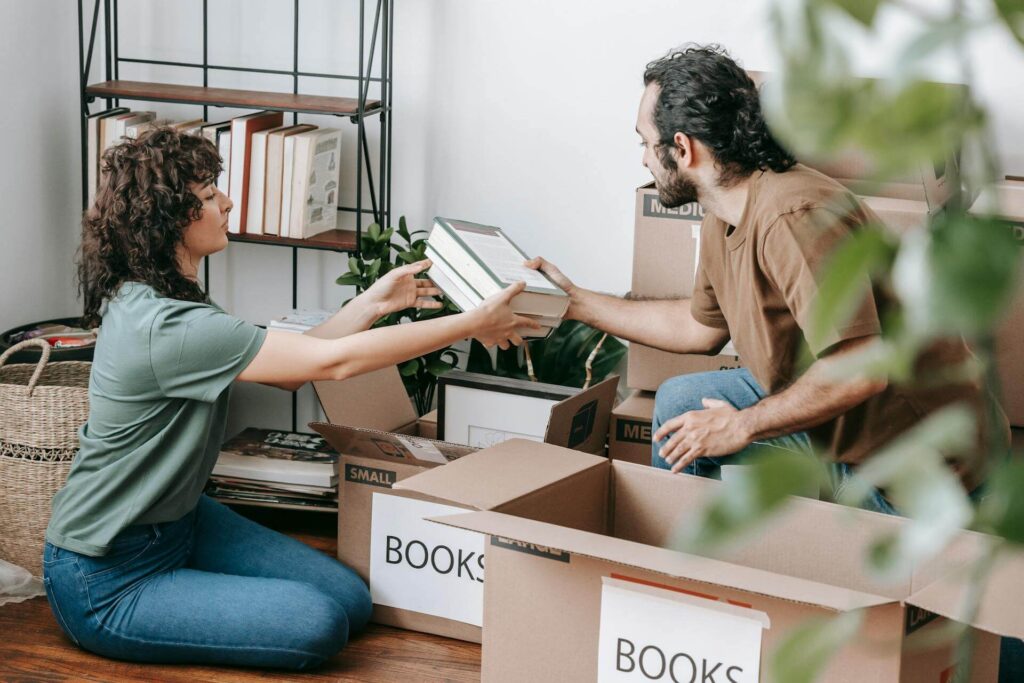
Use Smaller Boxes for Heavy Items
A big box full of books seems efficient until the bottom blows out and the whole box caves in.
The physics says:
-
Smaller box
-
Higher structural integrity
-
Less internal crushing force
Books, canned goods, tools, and small appliances belong in small to medium boxes only.
Use Larger Boxes Only for Light Items
Pillows, bedding, towels, lampshades—these are safe in large boxes because they won’t weigh the box down.
Fill Boxes Completely
Empty space = motion. Motion = impact. Impact = damage.
If the box rattles:
-
Add crumpled paper
-
Add clothing
-
Add towels
-
Add foam
Every cubic inch of empty space is a liability.
Double-Wall Boxes for Fragile Items
Two-layer corrugated boxes provide 2–3x the impact resistance and are worth it for:
-
Dish sets
-
Glassware
-
High-value items
-
Electronics
5. The Center of Gravity Rule: Load Your Container Like a Pro
The greatest packing mistake is loading a storage container or truck like a closet: tall stacks, heavy things on top, fragile items shoved wherever they fit.
Instead, visualize a pyramid:
-
Heavy, dense items form the base
-
Mid-weight items create the mid-tier
-
Fragile or light items go on top
This shape lowers the center of gravity, makes the load stable, and keeps fragile items out of harm’s way.
If you’re using a Mobile Attic Portable Storage container, this pyramid method helps reduce shifting during transport and keeps items safer—especially during long hauls or uneven roads.
6. Friction, Pressure, and Stack Strength
Two more physics principles matter when stacking boxes:
Compression Strength
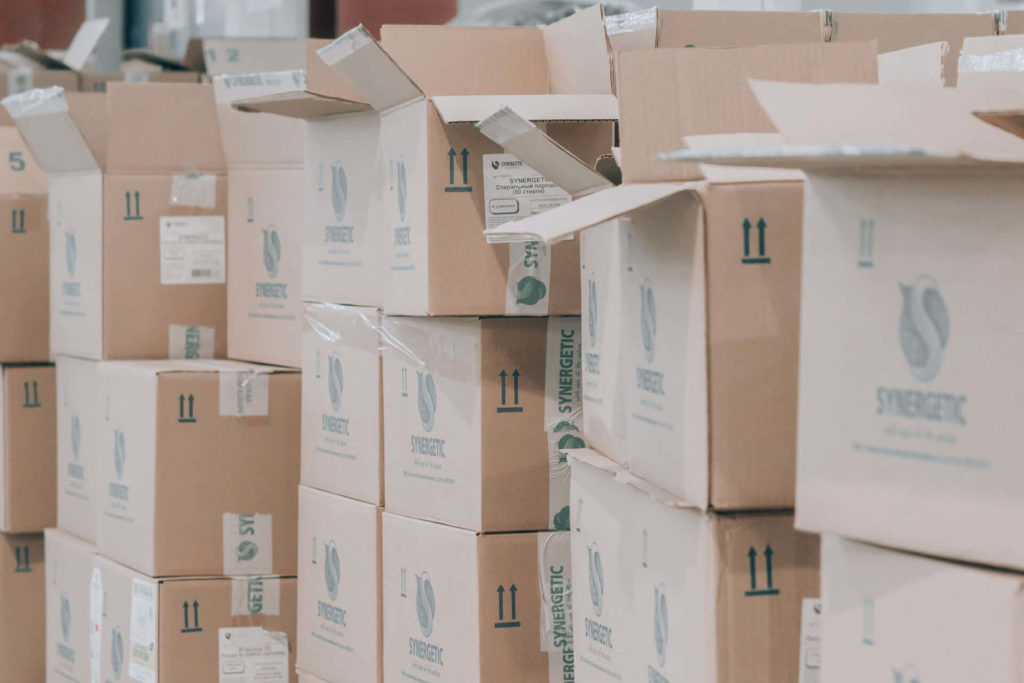
A box can only tolerate so much pressure before its walls crush inward.
-
Heavy boxes must go on bottom.
-
Boxes should be aligned corner-to-corner, not staggered.
-
Corners are structurally strongest; the middle is weakest.
Friction Keeps Things From Sliding
Smooth surfaces slide. Rough surfaces resist motion.
-
Place moving blankets beneath fragile stacks for extra friction.
-
Use grip-lined shelf liners on top of slick furniture before stacking lighter items.
This reduces shifting when the container moves or the road jolts.
7. Protect Electronics with Anti-Static and Anti-Vibration Techniques
Electronics are sensitive to three forces:
-
Static electricity
-
Shock impact
-
Vibration over long distances
How to Protect Electronics Properly:
-
Wrap them in anti-static bubble wrap, not regular bubble wrap.
-
Add silica gel packs to reduce moisture.
-
Use original boxes when available—they’re engineered for the device.
-
Pack them vertically, not flat, to minimize pressure on screens.
8. Load Securement: Tie-Downs, E-Track, and Structural Support
Even perfectly packed boxes fail if the load isn’t secured.
Inside a portable storage unit, use:
-
Ratchet straps
-
Rope tie-downs
-
E-Track rails
Secure every major section. This prevents shifting, reduces impact, and keeps the load stable when the container moves.
9. Why Portable Storage Makes Science-Based Packing Easier
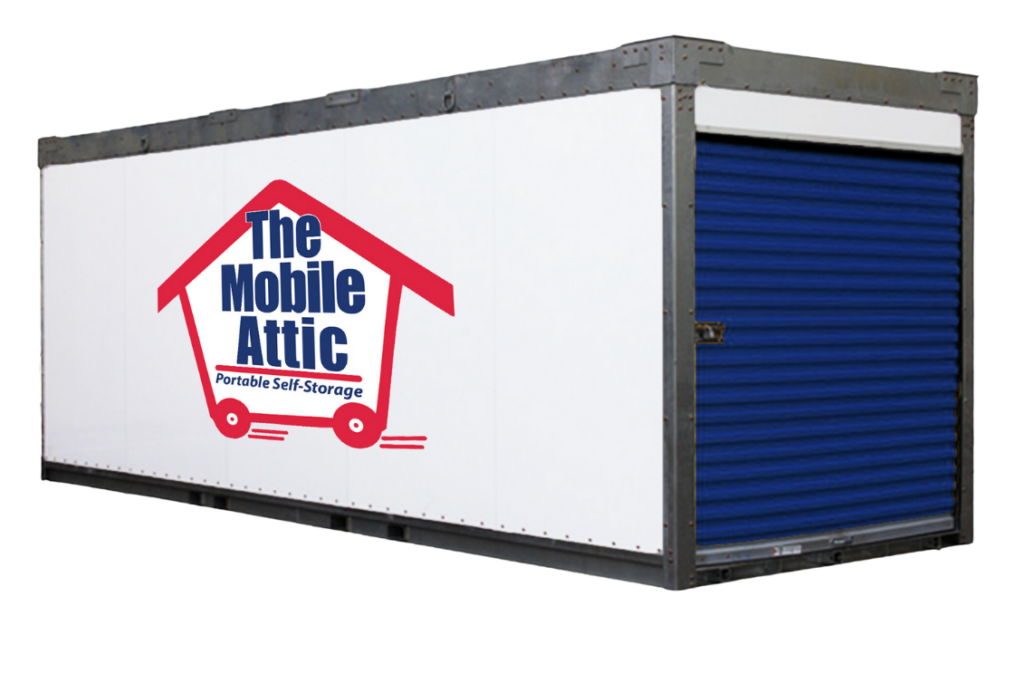
A Mobile Attic Portable Storage unit allows you to pack scientifically without rushing.
Benefits include:
-
Ground-level loading (reduces drop force hazards)
-
Ability to load in stages and optimize weight distribution
-
No driving a rented truck
-
Containers built with weather-resistant materials
-
Flexibility to store items on-site or at a storage facility
This means you can take time to build your load correctly instead of cramming everything in overnight.
Final Thoughts
Packing isn’t guesswork. It’s physics. When you understand how weight, friction, impact, and center of gravity work, you can protect your belongings more effectively than most professional movers. With the right materials, smart box choices, and proper weight balancing, your belongings have a much better chance of surviving the move intact.
Pair these science-backed packing techniques with a reliable solution like Mobile Attic Portable Storage, and your next move becomes dramatically safer, simpler, and more efficient.
Recent Comments