


Moving to a Coastal Area: Tips for Weatherproofing Your Belongings Against Salt Air, Humidity, and Hurricanes
Relocating to a coastal area comes with its perks: ocean views, breezy evenings, and a lifestyle centered around sand and sunshine. But the coast also brings a unique set of environmental challenges that can wreck your belongings if you’re not ready for them. Salt air, extreme humidity, and the threat of tropical storms or hurricanes mean you need to think differently about how you pack, store, and protect your items before and after your move.
Whether you’re headed to the Carolina coast, Florida, the Gulf states, or another oceanfront community, proper preparation is the key to keeping your possessions safe. Below is a detailed guide on how to weatherproof your belongings and move with confidence. This advice applies whether you’re using a traditional moving company or a Mobile Attic Portable Storage container for more flexibility and control.
1. Understand the Coastal Climate You’re Moving Into
Before you begin packing, take time to understand the specific coastal risks in your new area. Factors vary significantly based on your location: Atlantic hurricanes, Gulf Coast storm surges, West Coast humidity cycles, and local salt-air concentration.
For official weather data, seasonal storm patterns, and hurricane risk forecasts, consult the National Oceanic and Atmospheric Administration (NOAA):
https://www.noaa.gov
This gives you the best sense of what your belongings will be exposed to, not just during the move but year-round.
2. Combat Salt Air: The Silent Destroyer
Salt air is one of the biggest enemies of coastal property. It’s incredibly corrosive, attracts moisture, and accelerates rust and deterioration. Anything metal, electronic, or unfinished wood is especially vulnerable.
Protective Steps Against Salt Air:
Choose rust-resistant storage containers.
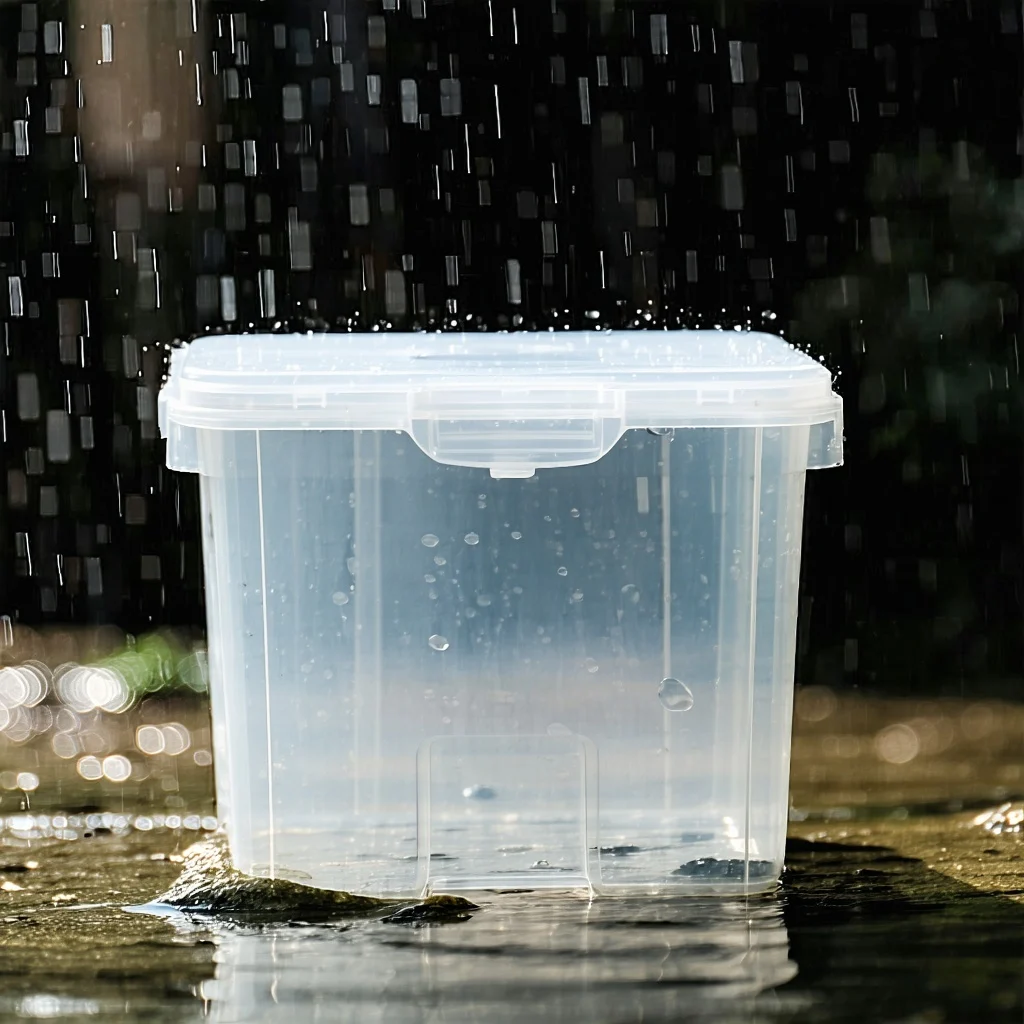
Plastic bins with sealed lids are far superior to cardboard boxes in coastal environments. Cardboard absorbs salt and moisture, weakening the structure and encouraging mold.
Use anti-corrosion sprays.
A light coat of a corrosion inhibitor (such as WD-40 Specialist Corrosion Inhibitor) helps shield tools, appliances, hinges, outdoor gear, and electronics.
Wrap electronics tightly.
Use anti-static bubble wrap or sealed anti-corrosion bags. Keep silica packs inside the wrapping to lower moisture content.
Seal wood furniture.
A polyurethane or marine-grade varnish reduces salt-induced swelling, warping, and surface corrosion.
Store in covered, weather-resistant environments.
If you’re using a Mobile Attic Portable Storage container, ask for one with weatherproof features such as reflective roofing and sealed aluminum construction. Coastal movers often choose portable containers because they can keep belongings protected off-site or at a safer inland location before moving them to the coast.
3. Fight Back Against Humidity: Mold-Proof and Moisture-Proof Your Move
Humidity along the coast is constant, often exceeding 70% year-round. That level of moisture can lead to mold within days if items aren’t protected.
Moisture-Proofing Steps:
Add desiccant packs or dehumidifier bags to every box.
These small tools absorb moisture and prevent mold and mildew. Use them especially in boxes containing bedding, clothing, books, documents, and electronics.
Avoid plastic wrapping on upholstered furniture.
Plastic traps moisture. Instead, wrap with breathable moving blankets or mattress covers designed for airflow.
Use vacuum-sealed bags for textiles.
This protects clothing, linens, towels, and other fabrics from humidity, bugs, and mildew.
Inspect items before sealing.
Packing anything that’s even slightly damp accelerates mold growth. Ensure everything is bone-dry.
Consider temporary climate-controlled storage.
If timing requires your things to sit before move-in day, climate-controlled storage prevents moisture buildup. Many customers use a Mobile Attic container as an interim solution, storing it indoors if needed until the home is ready.

4. Prepare for Hurricanes and Tropical Storms: High-Risk Coastal Moving
Coastal residents must think about evacuation zones, high-wind events, and storm surge potential. When planning a move, assume a storm will happen at some point—that mindset helps you prepare correctly.
For official emergency preparedness guidance, refer to the FEMA Ready.gov hurricane readiness page:
https://www.ready.gov/hurricanes
Hurricane-Proofing Tips for Your Move:
Don’t leave anything loose outside.
If you’re using a portable storage container, load it fully and keep it locked. Unsecured items become airborne during high winds.
Store your container inland if a storm is approaching.
Companies like Mobile Attic can relocate containers temporarily to a safer hub until the storm passes.
Use straps and tie-down points.
Inside the container, strap down furniture, electronics, and boxes using E-Track or heavy-duty ratchet straps. Movement during storms can break items even if the structure stays intact.
Elevate valuable items.
If storm surge or flooding is a possibility, keep boxes and furniture at least 6–12 inches off the ground when storing in a garage, shed, or basement.
Back up important documents.
Store physical copies in waterproof containers and keep digital scans in cloud storage.
5. Special Attention Items: Coastal Moves Require Extra Care
Some belongings suffer more than others in coastal climates. Here’s how to handle the most sensitive categories:
Electronics
-
Seal them in anti-corrosion or anti-static bags.
-
Add multiple silica gel packs.
-
Do not store on the floor of any container or garage.
Furniture
-
Leather: treat with a marine-grade conditioner.
-
Wood: seal with polyurethane.
-
Upholstery: use breathable covers only.
Appliances
-
Clean thoroughly to prevent mold.
-
Protect coils and metal components with anti-rust spray.
-
Transport upright to avoid internal damage.
Paper Items
-
Use airtight, waterproof containers.
-
Store digitally whenever possible.
6. Use Portable Storage to Simplify Your Coastal Move
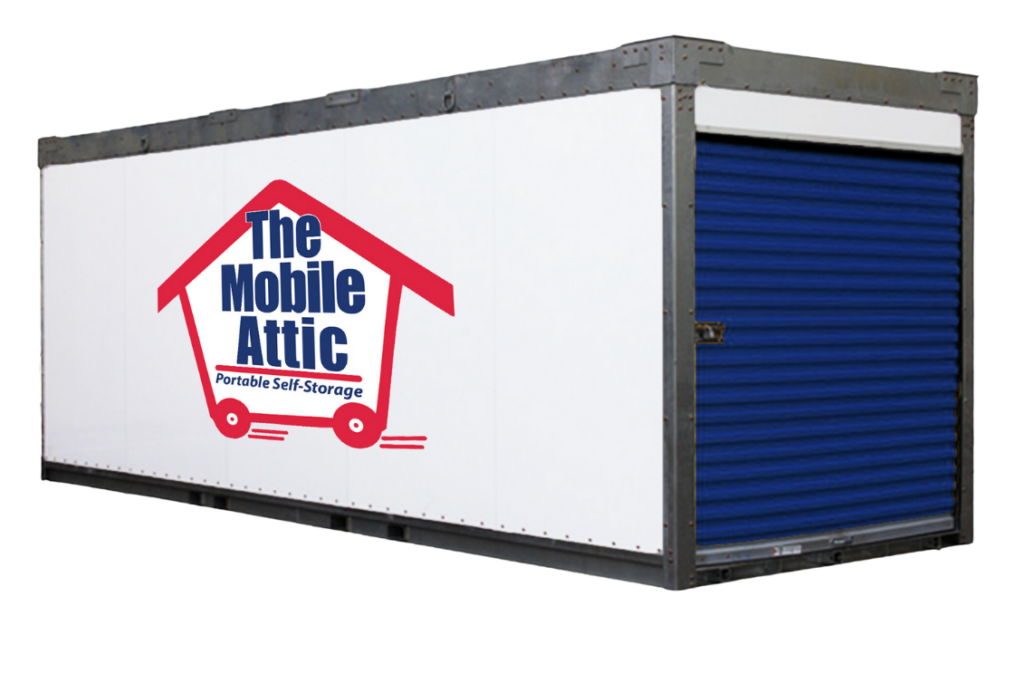
Portable storage containers are one of the most practical solutions for a coastal move. They give you control over packing at your own pace while keeping belongings protected from weather.
A company like Mobile Attic Portable Storage offers:
-
Weather-resistant aluminum containers
-
Sealed doors to reduce moisture intrusion
-
Flexible drop-off and pickup scheduling
-
The ability to relocate the container inland before a storm
-
Safer, ground-level loading compared to traditional moving trucks
This flexibility becomes priceless when dealing with unpredictable coastal weather.
7. Unpacking and Ongoing Coastal Protection
Once you’ve moved in, the work isn’t over. Coastal living requires ongoing upkeep.
After You Arrive:
-
Wipe down all metal items with a rust-prevention cloth monthly.
-
Run dehumidifiers inside the home during the summer.
-
Avoid storing anything valuable in non-climate-controlled garages near the coast.
-
Check the home’s seals, vents, and insulation regularly to prevent moisture intrusion.
Think of coastal living as a long-term relationship with the environment: you can enjoy it fully, but you have to respect what it can do to your stuff.
Final Thoughts
Moving to the coast is exciting, but the unique climate requires smarter planning. With the right protective strategies, high-quality materials, and weatherproof storage options, your belongings can survive humidity, salt air, and even hurricane season. Consider using a portable storage solution like Mobile Attic Portable Storage to gain more control, protect your items from the elements, and make your transition to coastal life as stress-free as possible.
Recent Comments